Choosing car insurance is part math, part judgment, and part relationship. State Farm is one of the largest insurers in the United States, and the policy you end up with will influence repair choices, out-of-pocket costs after an accident, and how easy it is to recover when things go wrong. Below I break down the features that matter most, explain trade-offs, and offer practical steps so you can walk into a State Farm agent’s office or request a State Farm quote online with confidence.
Why the features matter Coverage names can hide meaningful differences. Two policies might both say collision, or both include roadside assistance, yet pay differently, impose different deductibles, or contain fine print that affects total recovery. Beyond the contract, the agent and claims staff handling your case determine whether you get responsive service at midnight after a wreck, or wait days for authorization to repair a rental. Practical outcomes depend on both contract design and how the company executes it.
Five must-have coverages to evaluate
Liability limits that match your asset exposure Collision coverage with a sensible deductible and repair network options Uninsured and underinsured motorist protection for bodily injury and property Comprehensive coverage for theft, vandalism, and non-collision damage Rental reimbursement and emergency roadside assistance when you need immediate helpLook at these coverages not as optional extras, but as layers of financial resilience. Below I unpack each, explain what to ask a State Farm agent, and show how to decide based on vehicle age, driving patterns, and budget.
Liability: protect your future earnings and savings Liability covers bodily injury and property damage when you are at fault. Many states set minimums, but minimum limits are often insufficient. If you drive with $25,000 per person and $50,000 per accident limits for bodily injury, a serious crash with multiple injuries can quickly exceed those limits, exposing your home and wages to judgment. A practical approach: carry higher limits if you have significant assets or a professional salary. Consider 100/300/100 as a common baseline in many regions, meaning $100,000 per injured person, $300,000 per accident, and $100,000 property damage. If you own a house or have retirement savings, umbrella insurance above your auto liability is worth discussing.
Collision and repair choices: cash value, OEM parts, and claim settlement Collision pays for damage to your car after hitting another vehicle or object, subject to your deductible. Important distinctions include whether State Farm uses preferred shops, whether they authorize original equipment manufacturer parts, and how they handle diminished value claims. For newer vehicles, look for new car replacement or a waiver of depreciation in the first year or two; State Farm and many carriers offer replacement options for cars under a certain age or mileage. If your car is older, weigh the premium versus the repair cost. For a car worth $3,000, carrying a $1,000 deductible may not be sensible.
Comprehensive protection: more than weather Comprehensive covers non-collision events: theft, vandalism, hitting an animal, or glass damage. Glass-only coverage is often priced as an add-on with no deductible, which makes sense if you live in an area with frequent stone chips or hail. In places with seasonal storms or elevated theft rates, comprehensive is not optional. Check whether glass repairs use mobile technicians for convenience, and whether replacing a windshield counts as a claim that will raise premiums.
Uninsured and underinsured motorist coverage: a local necessity Despite legal requirements, many drivers still lack adequate insurance. Uninsured motorist bodily injury and underinsured motorist protections can cover medical bills, lost wages, and pain and suffering when the at-fault driver has insufficient coverage. Some states obligate insurers to offer this coverage; others do not. In my experience handling claims for clients, UM/UIM coverage prevented major out-of-pocket losses in roughly one in five claims where the other driver was inadequately insured. Ask your State Farm agent whether UM/UIM applies to both bodily injury and property damage in your state.

Medical payments and personal injury protection: immediate medical care Medical payments coverage and personal injury protection, PIP, pay medical bills regardless of fault, and PIP can include lost wages and funeral expenses. PIP is mandatory in some no-fault states, optional in others. If you have good health insurance, you might skip medical payments, but PIP’s wage replacement and attendant care benefits can be valuable after a severe injury. Evaluate overlapping benefits with health insurance and workers compensation if you drive for work.
Rental reimbursement and emergency roadside assistance: how quickly will you be mobile again A disabled car can disrupt everything: work, caregiving, and travel plans. Rental reimbursement covers a temporary rental while your car is repaired, often with daily and total limits. Emergency roadside assistance covers towing, jump starts, flat tire changes, and fuel delivery. Both are low-cost relative to the inconvenience they eliminate. If you commute 40 miles daily or rely on your vehicle for work, consider a higher daily rental limit so you can rent a comparable car while repairs proceed.
New car replacement and gap coverage: when a lease or loan matters If you financed or leased a car, standard collision or comprehensive might not cover the difference between the insurance payout and the remaining loan balance if the vehicle is totaled. Gap coverage fills that shortfall, and new car replacement pays to replace a totaled new vehicle with a new one of the same make and model, rather than the depreciated cash value. These are time-limited options typically available for the first one to three years of ownership. When I helped a family after a total loss on a leased vehicle, gap insurance eliminated a six-figure surprise balance that would otherwise have fallen on their credit.
Glass coverage and small claims economics Some drivers hesitate to file small claims for glass to avoid premium hikes. State Farm often offers a glass deductible waiver or separate glass coverage that avoids reporting as a comprehensive claim. If you live on rural roads with loose gravel or in a region with frequent storms, a glass-only rider can be worth the modest annual cost. Ask whether repairs through mobile technicians are paid without affecting your loss history.
Deductible strategy: when to choose higher or lower Deductible selection affects premium and claim frequency. Choose a deductible you can afford to pay out of pocket immediately after an incident. A higher deductible saves premium dollars year to year but increases your risk at the moment of State farm agent loss. If you have an emergency fund that covers a $1,000 deductible, that might be fine. If not, sticking with a $500 or $250 deductible reduces the risk of a payment shock. Americans with stable jobs and savings often pick $500 to $1,000; budget-constrained drivers may need lower deductibles despite higher premiums.
Discounts, bundling, and the local agent relationship State Farm offers a range of discounts, including multi-policy discounts when you bundle home and auto, safe driver discounts, good student discounts, and discounts tied to vehicle safety features. But discounts vary by state and by individual driver profile. Bundling home and auto with the same insurance agency near me often produces meaningful savings, and working with a local State Farm agent can surface local or seasonal savings that an online form might not show.
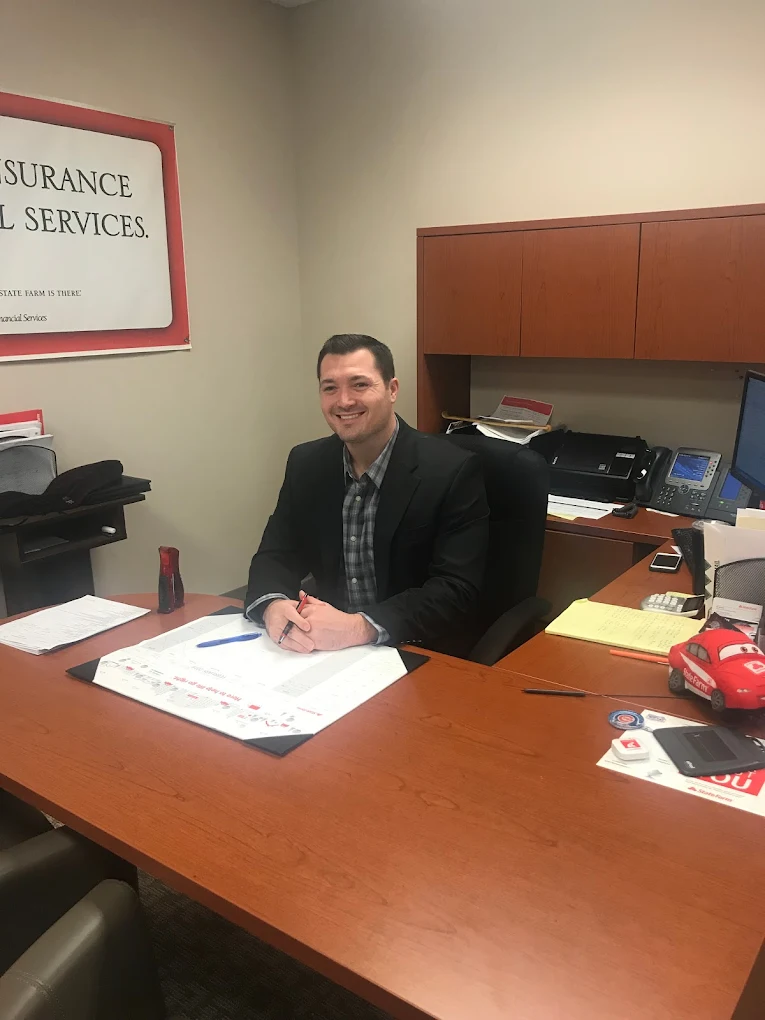
An agent’s role goes beyond pricing. A good State Farm agent helps set appropriate limits, explains exclusions, and guides you through claims. They can also help coordinate with other insurers for umbrella policies. If you live in Hammond or a similar community, search for an Insurance agency Hammond to find agents familiar with local hazard patterns, such as flooding or commuter crash hotspots. Personal relationships with agents matter most when you need fast help at 2 a.m., not when you are comparing spreadsheets.
Claims handling: speed, repairs, and direct repair shops Claims are where policy language meets real life. State Farm’s claims network includes preferred shops and mobile estimating tools. Preferred shops may streamline repairs and provide warranties on workmanship. Mobile estimates and electronic photo submissions speed up minor claims. When selecting a policy, ask your agent whether you can choose your repair shop, whether the insurer offers direct billing to rental agencies, and how quickly a claim will be assigned. Anecdotally, policies with an integrated local agent and preapproved shops tend to produce faster turnarounds than purely online, distant support.
Digital tools, telematics, and pay-per-mile options State Farm offers Drive Safe and Save, a telematics program that measures driving behavior such as speed, braking, and time of day to adjust premiums. For low-mileage drivers, pay-per-mile options exist in some markets. Telematics can lead to meaningful discounts for careful drivers, sometimes 20 percent or more after the trial period. The trade-off is data sharing: if you dislike telemetry, you might opt out and accept a different pricing structure. Before enrolling, check how long the monitoring lasts, whether it carries penalties for a single bad month, and how the insurer uses the data for claims or underwriting.

Pricing transparency and how to get a State Farm quote A State Farm quote depends on many variables: vehicle year and model, driving record, ZIP code, credit history where allowed, and coverage selections. When preparing to get a quote, have vehicle identification numbers or model years ready, list all drivers and their license dates, and be prepared to discuss annual mileage. If you say you commute 50 miles daily, the premium will differ from a 10-mile commute. For those searching online, a quick search for State Farm quote or State Farm agent will surface both digital forms and local offices. Visiting an Insurance agency near me yields a conversation that often uncovers discounts and appropriate coverages that a form will not.
Questions to ask your State Farm agent
How does State Farm handle glass repairs and will a windshield repair affect my premium? Do you offer new car replacement or gap coverage for my vehicle and how long is it available? What discounts apply to my household if I bundle home, renters, or life insurance? How will telematics affect my rate and what data do you collect? If I need a rental after an accident, what daily and total limits apply and does State Farm use specific rental partners?These questions focus on outcomes, not jargon. They help reveal how easy claims will be, whether a coverage will actually protect you, and where surprises might arise.
Trade-offs and edge cases Cheap premium does not equal good coverage. A lifted deductible or omitted UM/UIM coverage can save monthly but cost you heavily after a serious accident. Likewise, insisting on an OEM parts-only repair clause may protect resale value but slow repairs and increase premiums. If you drive a high-theft vehicle model in a metropolitan area, comprehensive and theft coverage are essential despite the premium hit. Conversely, if you own a 15-year-old car with low trade-in value, dropping collision might make financial sense when the annual premium exceeds expected repair costs.
A real-world example: a commuter with a leased 2022 SUV A client of mine leased a 2022 SUV with monthly payments and a trade-in value close to the loan balance. We sketched two scenarios: carry only standard collision and liability, or add gap insurance and new car replacement. The extra premium was modest, roughly 8 percent of the total policy cost, but eliminated the risk of a six-figure gap if the vehicle were totaled in year two. For someone with a monthly lease payment and limited liquidity, that modest premium was an inexpensive hedge.
Red flags to watch for If an agent avoids clear answers about how claims are processed, or if the policy language around part quality, rental reimbursement, or glass repair is vague, pause. Also be wary if the agent recommends dropping UM/UIM because “it rarely pays.” In many states, UM/UIM is crucial. Finally, check whether discounts are conditional. Some discounts require installation of approved anti-theft devices or completion of a defensive driving course. Confirm the duration of telematics-based discounts and whether a single incident can cancel them.
How to compare State Farm to other options Compare not only price but claim experiences and coverages. Ask for sample policy language for collision and comprehensive, and request examples of typical repairs through their preferred shops. If you find two quotes within 5 to 10 percent, focus on the differences in deductibles, waivers, and service features such as mobile claims and tow strategies. Speak to neighbors or local online groups about experiences with the local State Farm agent. Local agents who are active community members often provide better claim handholding, and that matters when you need fast help.
Final practical steps Contact a State Farm agent or get an online State Farm quote, but come prepared. Bring vehicle details, a list of drivers, and questions about glass, rental reimbursement, gap insurance, and telematics. Ask the agent to run quotes at two deductible levels so you can see the premium trade-off. If you live in Hammond or near any other specific community, ask about local hazards and whether any local discounts apply; typing Insurance agency Hammond into a search will reveal agents familiar with regional risks. Finally, balance premium with claim-readiness: the cheapest policy that leaves you underinsured is a false economy.
Choosing the right car insurance policy means matching real-life risk to practical protections. When you evaluate a State Farm policy, look beyond price to coverages, claim handling, and the local agent relationship. Those are the factors that determine how quickly you get fixed, reimbursed, and back on the road when life intervenes.